
Table of Contents
- How to Tell Your Solar Panel Repair Needs Are Real
- Solar System Troubleshooting Guide: Start Here
- Solar Panel Maintenance Checklist for Homeowners
- Solar Inverter Repair Cost: What Shapes the Price
- Solar Panel Repair Services: What a Full Assessment Covers
- Warranty Claims and Grid Connection Compliance
- Why Choose a CEC Accredited, Family-Run Solar Team
- Frequently Asked Questions
Last Updated: August 28, 2026
How to Tell Your Solar Panel Repair Needs Are Real
Solar panel repair is one of those things homeowners put off until the electricity bill arrives and the numbers don’t add up. At MLG Electrical & Solar, we see this pattern regularly: a system generating strong output twelve months ago is now quietly underperforming, and the owner has no idea why.
The good news is that most faults give clear signals before they become expensive problems. Solar panel repair covers everything from a single cracked panel to a failed inverter, degraded wiring, or a grid connection fault. Understanding what you’re looking at before calling a technician saves time and helps you have a more informed conversation about the fix.
Warning Signs on Your Inverter Display
Your inverter display is the first place to look when something feels off. A healthy system shows a green status light and a generation figure that tracks with the time of day and season. Red or amber fault indicators are obvious warnings, but subtler signs matter too: a system that switches to standby mode mid-afternoon on a clear day, generation figures that drop without explanation, or an inverter that restarts repeatedly during daylight hours.
Never ignore a fault code and keep running the system as normal. Some faults, particularly those involving wiring integrity or earth leakage, create genuine electrical safety hazards. Continued operation can cause further damage and may void your warranty.
Physical Damage vs. Performance Drop
Physical damage you can sometimes see from ground level: cracked glass, discolouration, bird or storm debris impact, or panels that have shifted on their mounting frames. Micro-cracks, however, are invisible to the naked eye and are one of the most common causes of gradual output loss in Australian conditions, where thermal cycling stresses the panel substrate over time.
A performance drop without visible damage often points to soiling, shading from new growth or structures, or internal degradation. Regular system monitoring catches these early.
Solar System Troubleshooting Guide: Start Here
A structured troubleshooting guide saves you from calling a technician for something you can resolve yourself, and helps you describe the problem accurately when you do need professional help.
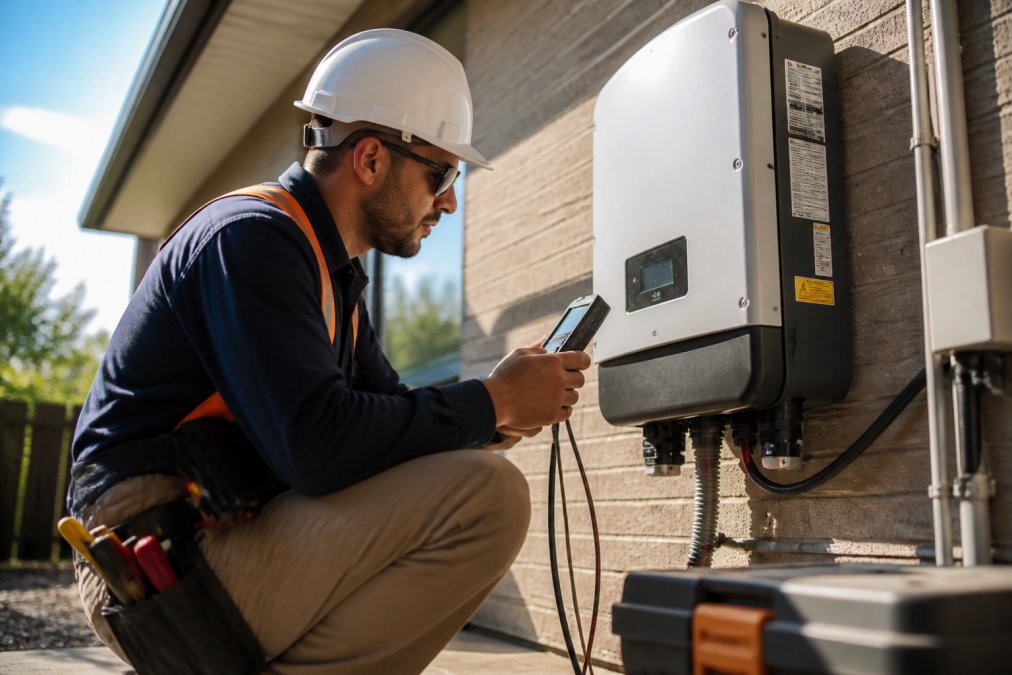
Start with the basics: check that your inverter is powered on and no circuit breakers have tripped at your switchboard. Verify that isolation switches, both on the roof and at the inverter, are in the correct position. Then check your monitoring app or inverter display for the current generation figure and compare it to a similar day from the previous month.
Common Error Codes and What They Mean
Most modern inverters use standardised error codes. The following are the categories you’re most likely to encounter:
| Error Category | What It Typically Indicates | Recommended Action |
|---|---|---|
| Grid fault / Grid lost | Grid voltage outside acceptable range | Wait 5 minutes; if it persists, contact your network operator |
| Isolation fault | Wiring integrity issue or earth leakage | Do not reset; call a licensed electrician immediately |
| Over-temperature | Inverter enclosure too hot or ventilation blocked | Check clearance around inverter; shade if in direct sun |
| DC input fault | Panel output voltage outside inverter range | Check for shading, soiling, or panel damage |
| Communication error | Monitoring system disconnected | Restart router and inverter; check Wi-Fi signal strength |
Isolation faults and earth leakage codes require immediate professional attention. These indicate a breakdown in electrical insulation, which is an electrical safety standards issue.
DIY Checks vs. When to Call a Licensed Electrician
Homeowners can safely check circuit breakers, confirm isolation switch positions, clean accessible panels from ground level with water, and review monitoring data. Everything else requires a licensed electrician and, in most cases, a CEC accredited solar specialist. Under the Clean Energy Council installer and retailer guidelines, any electrical work on a grid-connected solar power system must be performed by a qualified professional.
Unlicensed work can invalidate your warranty, breach your grid connection agreement, and create liability issues if the system later causes damage or injury.
Before calling a technician, take a photo of your inverter display showing the error code and note the time it appeared. This gives your electrician a head start on fault diagnosis and can reduce your call-out time.
Solar Panel Maintenance Checklist for Homeowners
Preventative care is the most cost-effective solar maintenance strategy. Use this checklist on a quarterly basis, with a professional inspection at least once per year:
Quarterly (homeowner-performed):
- Check inverter display for fault codes or amber/red indicators
- Review monitoring app data and compare with the same period last year
- Inspect panels visually from ground level for visible cracks, discolouration, or debris
- Clear any leaf litter or debris from around panel edges if safely accessible
- Confirm isolation switches are in the correct position
- Check that inverter ventilation clearance is unobstructed
Annually (licensed electrician):
- Full safety inspection and electrical compliance check
- Thermal imaging scan to detect hot spots and micro-cracks
- Wiring integrity test across the entire solar array
- Inverter performance assessment and firmware update if required
- Panel cleaning with appropriate equipment and technique
- Review of system output against original design specification
- Check mounting hardware for corrosion or loosening
According to the Clean Energy Council’s guide to maintaining your solar system, regular maintenance is one of the key factors in preserving long-term solar energy yield and protecting your warranty entitlements.
Solar Inverter Repair Cost: What Shapes the Price
Solar inverter repair cost varies considerably based on factors that a technician can only assess on site. The main variables include the type and brand of inverter, whether the fault is repairable or requires full replacement, the age of the unit and its warranty status, accessibility of the installation, and whether any associated wiring or switchboard work is required.
Get a written quote before any work begins. A reputable solar panel repair service will provide a fault diagnosis, explain the options, and give you a fixed or capped price before proceeding. Vague verbal estimates are a red flag.
For pricing on any repair or assessment, contact MLG Electrical & Solar directly for a transparent quote based on your specific system.
The solar inverter repair cost conversation should always start with a proper fault diagnosis. A technician who quotes a price before inspecting the system is guessing. A written quote after diagnosis protects you.
Solar Panel Repair Services: What a Full Assessment Covers
A professional solar panel repair service treats the system as a whole, because one failing component often stresses others.
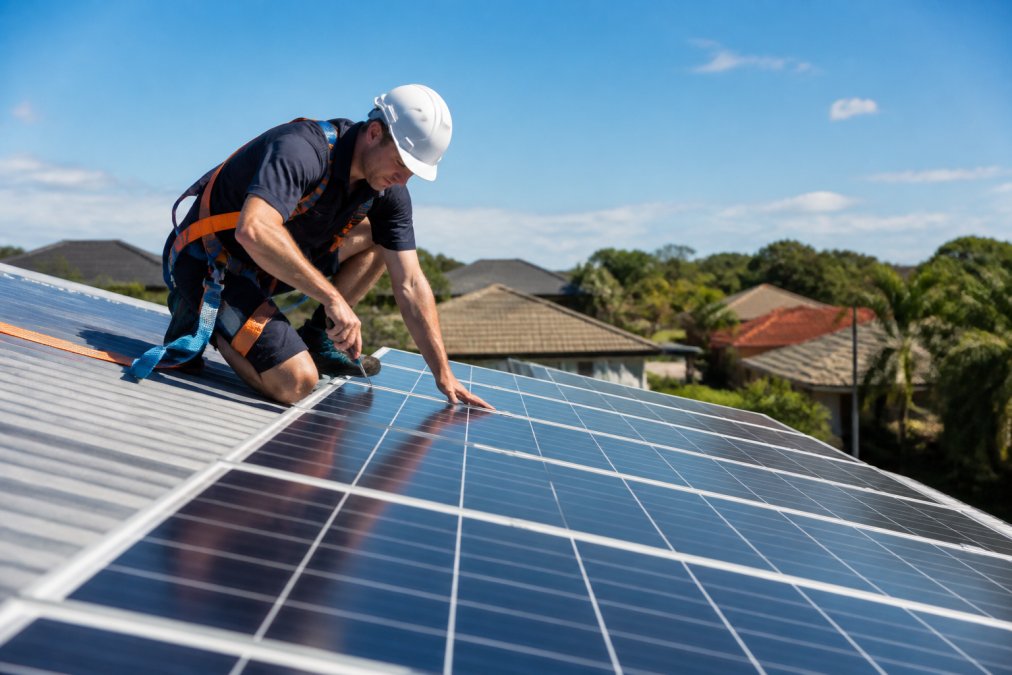
The assessment process begins before anyone goes on the roof. Your technician should review your monitoring data, your inverter history, and your original system design documentation.
Safety Inspection and Electrical Compliance
Electrical compliance is non-negotiable for any grid-connected solar power system. A full safety inspection checks that your system meets the requirements of AS/NZS 5033 installation and safety requirements for photovoltaic arrays, the Australian standard governing solar array installation and wiring.
This covers earth fault protection, DC isolator condition and labelling, cable management and UV degradation, switchboard integration, and the integrity of the grid connection itself. Systems installed more than five years ago often have DC isolators that have degraded in outdoor conditions, a known failure point that creates both safety and performance risks.
A compliance check also matters for insurance purposes. If your system has an uncorrected safety fault and causes damage, your insurer may decline the claim.
Panel Cleaning, Wiring Integrity and System Upgrades
Panel cleaning is straightforward in principle but easy to get wrong. Professional cleaning uses deionised water and soft brushes, with technique calibrated to your panel type. Abrasive materials and high-pressure water can damage the anti-reflective coating permanently.
Wiring integrity checks look for degraded insulation, loose connections, and corrosion at junction boxes. These faults don’t always trigger error codes but steadily reduce system output and create fire risk over time.
System upgrades are worth discussing during any repair visit. If your solar array is performing well but your inverter is ageing, a proactive replacement with a modern unit that supports solar battery storage integration may deliver better long-term value than repairing an older unit repeatedly.
Warranty Claims and Grid Connection Compliance
Warranty claim assistance is an area where having a CEC accredited technician matters enormously. Most panel and inverter manufacturers require that any warranty claim be lodged by an accredited installer or repairer, with supporting documentation from a licensed electrician. A claim submitted without this backing is routinely declined.
Grid connection compliance is a separate but related issue. If your system has been modified, if components have been replaced with non-approved alternatives, or if the installation pre-dates current standards, your network operator may require a compliance upgrade before the system can remain connected. Your distribution network service provider, regulated under the Australian Energy Regulator’s network connection framework, has the authority to disconnect a non-compliant system.
Any repair work on a grid-connected system should be documented and signed off by a licensed electrician, with a copy kept for your records.
Why Choose a CEC Accredited, Family-Run Solar Team
Most large solar companies run on volume. MLG Electrical & Solar operates differently. As a family-owned and operated business with over a decade of experience in electrical and solar solutions, we’ve built our reputation on work that generates repeat customers and referrals, not call centre scripts. Our team prioritises technical knowledge over salesmanship, which means you get an honest assessment of what your system needs.
Customer feedback reflects this directly. One customer described Mark as having “the highest quality and most excellent workmanship in the industry.” Another noted that “nothing was too much trouble for him, he was very professional from start to finish.” A third summarised it simply: “exceptional service, delivered on their promise with precision and expertise.”
For homeowners on fixed incomes, we offer special discounts for elderly customers. For anyone facing an urgent fault, our 24/7 emergency support means you’re not left waiting until Monday morning with a system shutdown and no answers.
CEC accreditation is the baseline standard for solar panel repair and installation work in Australia. It means your technician has demonstrated competency to the industry’s peak body and operates within its code of conduct.
Homeowners dealing with a solar system that isn’t performing the way it should face a real problem: the system is invisible until something goes wrong, and by then, the lost energy yield has already cost money. MLG Electrical & Solar provides comprehensive solar panel repair services backed by licensed electricians, CEC accreditation, and a decade of hands-on experience. Contact us for a straightforward assessment and a transparent quote.
Frequently Asked Questions
Can a solar panel be repaired, or does it need replacing?
Minor issues like loose wiring, corroded connectors, or a faulty bypass diode can often be repaired without replacing the panel. Severe physical damage, deep micro-cracks across multiple cells, or delamination usually means replacement is more cost-effective than repair. A CEC accredited electrician can run a thermal imaging or IV-curve test to give you a clear answer before any money is spent. Always get a written assessment before committing to either option.
What are the common signs that my solar inverter is failing?
The most obvious sign is an inverter fault light or error code on the display. Others include the system shutting down repeatedly during daylight hours, a significant unexplained drop in system output shown in your solar monitoring app, unusual buzzing or clicking sounds, and voltage fluctuations tripping your switchboard. If you notice any of these, stop resetting the unit manually and contact a licensed electrician. Repeated resets can mask a deeper fault and may void your warranty.
How often should I schedule professional solar system maintenance?
Most solar panel manufacturers and CEC guidelines recommend a professional inspection every one to two years, with panel cleaning every six to twelve months depending on your local environment. Dusty conditions, nearby trees, and bird activity can all reduce energy efficiency faster than expected. An annual safety inspection also checks wiring integrity, grid connection compliance, and whether your solar battery storage (if fitted) is operating within safe parameters. Regular preventative care extends system life and protects your warranty.
What should I do if my solar system stops producing power?
First, check whether the inverter display shows an error code and note it down. Then verify the isolator switches at the inverter and switchboard are in the ON position. Check your solar monitoring app for any alerts. If the system remains offline after these basic checks, do not attempt to open the inverter or access rooftop wiring yourself. Contact a licensed electrician with solar experience. Faults involving DC wiring or the grid connection carry serious electrical safety risks and must be handled by a qualified professional under Australian electrical safety standards.